
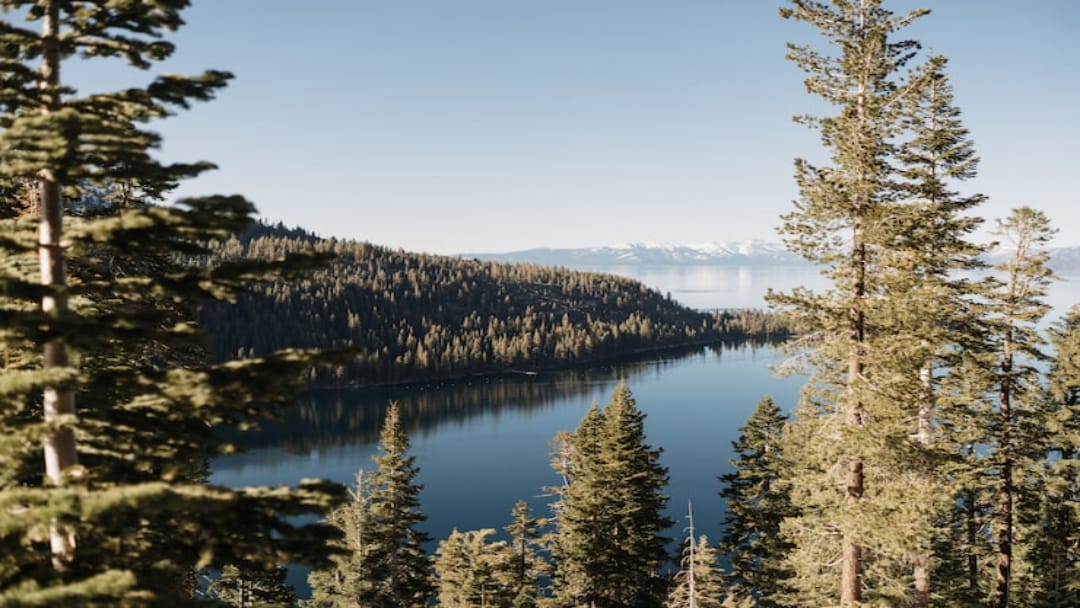
Sustainability is not just an abstract concept—it is the backbone of the survival of our ecosystems, the health of our climate, and the well-being of all species on Earth. Canada, the world’s second-largest country, holds vast forests, wetlands, and protected areas that are crucial to global ecological balance and climate stability.

Yet, despite ambitious promises and international commitments, sustainability matters in Canada are being neglected. Natural habitats face pressure from urban expansion, weak enforcement of environmental policy, and slow progress on tree planting programs. Forests that have taken centuries to grow are at risk, and the consequences are felt locally and globally.
One stark example is extensive logging in British Columbia. Much of BC’s old-growth coastal rainforest has been clear-cut, with only a small percentage of highly productive, unprotected old-growth remaining. This not only destroys centuries-old ecosystems but also threatens countless species that rely on these forests, highlighting how short-term economic gain often outweighs long-term ecological stewardship.

During my travels in the Dominican Republic, I witnessed the effects of unchecked deforestation firsthand. A local explained that clear-cutting trees has caused birds to disappear. Entire animal populations—including birds, squirrels, and countless other species—depend on trees for survival, illustrating the importance of biodiversity.
The Dominican Republic’s diverse botanical landscape highlights why protecting forests is critical. From the iconic Mahogany (Caoba), to palms like Coconut, Royal, and Yarey, to majestic Ceibas and valuable species such as Cacao, Tamarind, and Guaiacum (Lignum Vitae), these forests sustain rich biodiversity. The cloud forests at higher elevations, with endemic pines and unique flora, further demonstrate how trees maintain ecological balance and regulate climate. If the Dominican Republic wishes to mitigate the effects of flooding and hurricanes, it is imperative that tree planting and ecological preservation remains a priority.

Deforestation’s impact goes far beyond local wildlife. The Butterfly Effect shows that even small environmental changes can ripple globally. Extreme fires, prolonged droughts, and erratic weather in California are linked to deforestation and global climate change, emphasizing that protecting forests is a shared global responsibility.
Rainforests, often called the climate control centers of the world, act as massive carbon sinks. Every tree lost reduces their capacity to regulate global temperatures and weather patterns. Protecting forests through sustainable forestry and policy enforcement is essential to prevent worsening climate disasters. Every animal in the ecosystem serves a purpose. As we face the next wave of extinction, we put ourselves at risk of extinction as well. The Luciferians have no concept of this type of coexistence. They are set on destruction for their own gain, and as a result, we have arrived to prevent their progress.
In Canada, slow progress on tree planting and controversies surrounding the Ontario Greenbelt reveal troubling trends. The Greenbelt, established to protect farmland, forests, and wetlands around the Greater Golden Horseshoe, has faced threats from proposed development and land removal. These decisions, if implemented, would weaken protections, increase urban sprawl, and threaten biodiversity.
Political and development pressures often overshadow environmental priorities, leaving some ecosystems vulnerable. This neglect undermines Canada’s contribution to global climate commitments and highlights the need for stronger environmental policies.

Protecting forests, preserving biodiversity, and implementing effective sustainability policies is a shared responsibility. Federal, provincial, and local governments must act decisively to ensure ecological preservation and the long-term health of the planet.
Environmental degradation in one country affects the entire world. Disappearing birds in the Dominican Republic, extensive logging in BC, extreme fires in California, and slow reforestation in Canada are interconnected consequences of neglecting sustainability.

Every tree planted, every hectare preserved, and every sustainable policy implemented represents a step toward a healthier, more balanced planet. Sustainability, biodiversity, and climate action are not optional—they are essential for generations to come.